Why Large-Scale Campuses Should Behave Like Compact Cities
A successful campus condenses the essential qualities of a city: clear movement, shared institutions, climatic comfort and opportunities for unplanned encounter. Scale becomes manageable when daily life is organised around proximity.
Table of Contents
Begin with a Public Spine
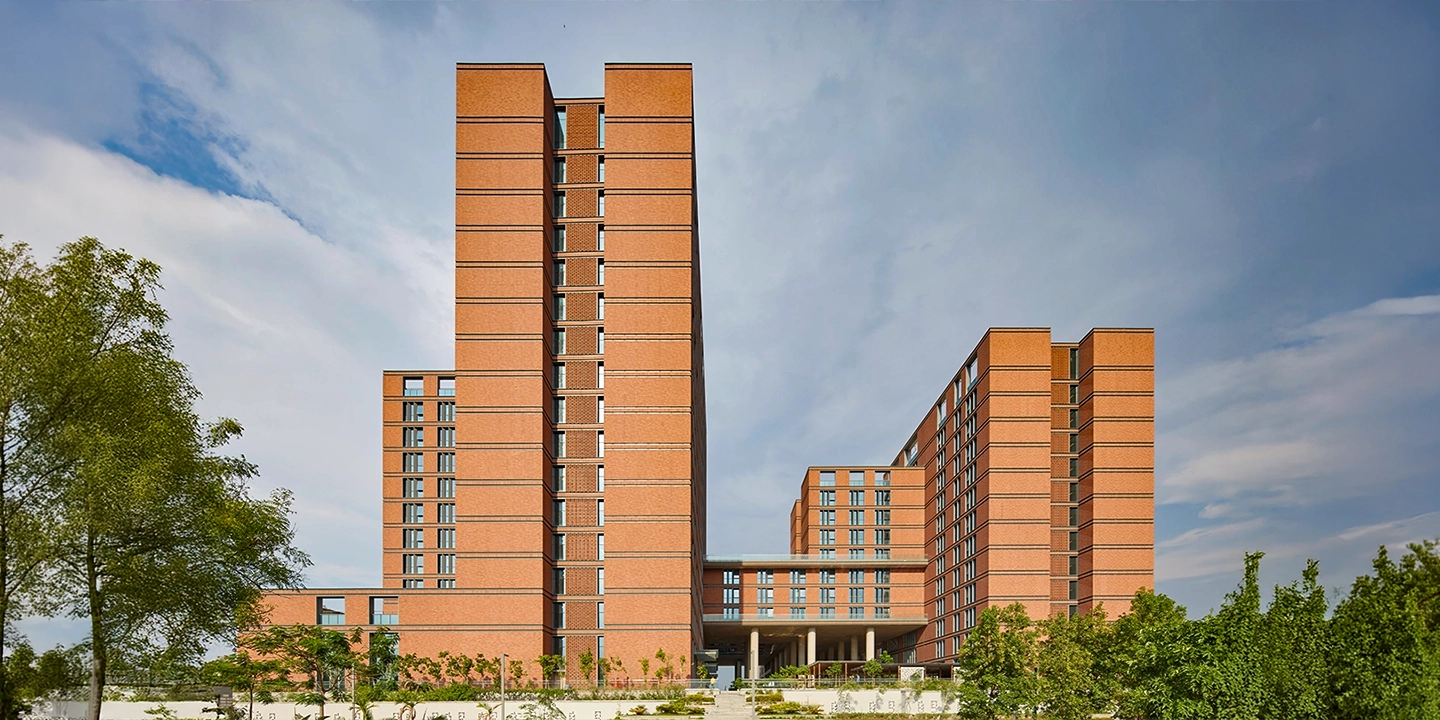
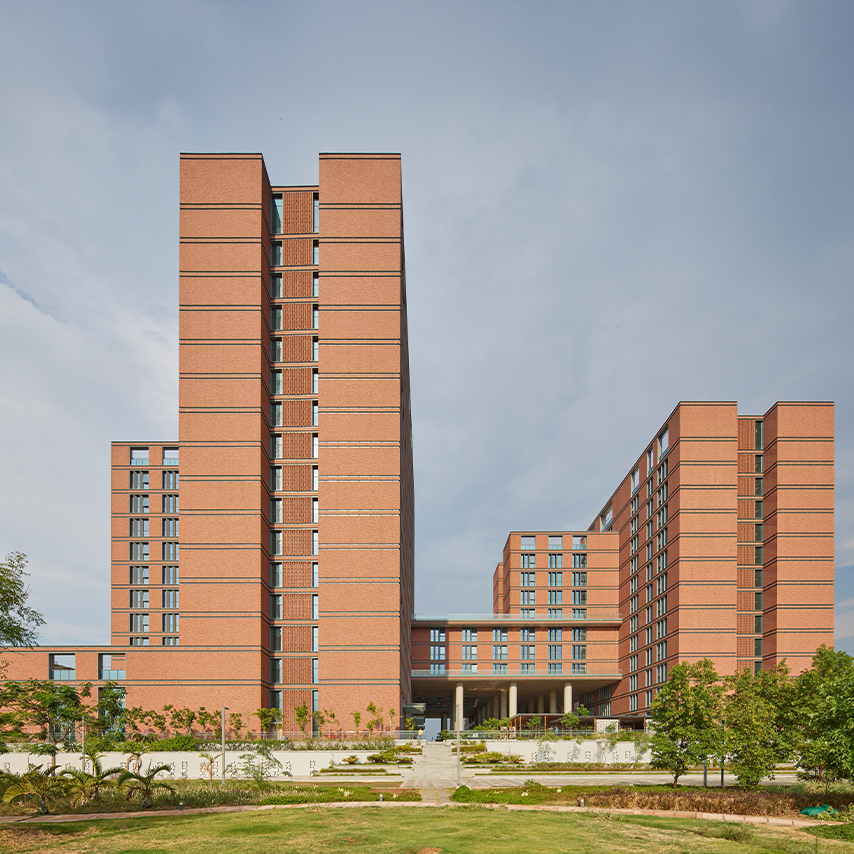
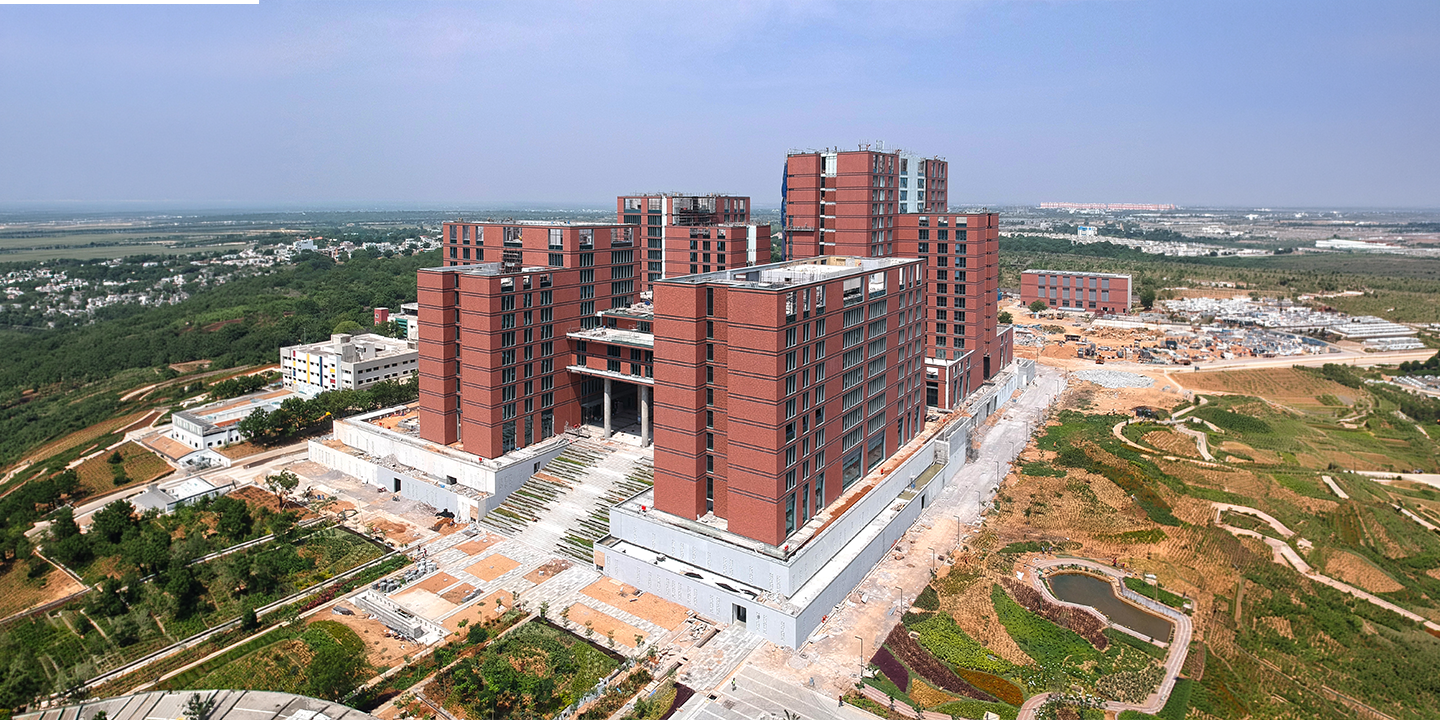
Compact cities are readable because movement is organised around recognisable streets, squares and landmarks. A campus needs the same spatial clarity. At Dakshana Valley School near Pune, a central academic street runs from the pavilion towards the lake. Classrooms, hostels, dining halls and shared facilities gather along this route, with shaded courts and outdoor learning spaces extending from it. The street becomes an address system, a social armature and a gradual journey through the campus. This structure also allows the masterplan to work with the valley rather than flatten it. Buildings follow contours, preserve vegetation and water bodies, and minimise cut and fill. The campus gains coherence while retaining the ecological intelligence of its 109-acre setting.
Design Movement as Public Life
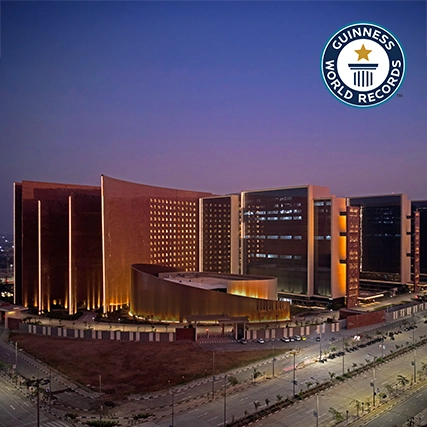
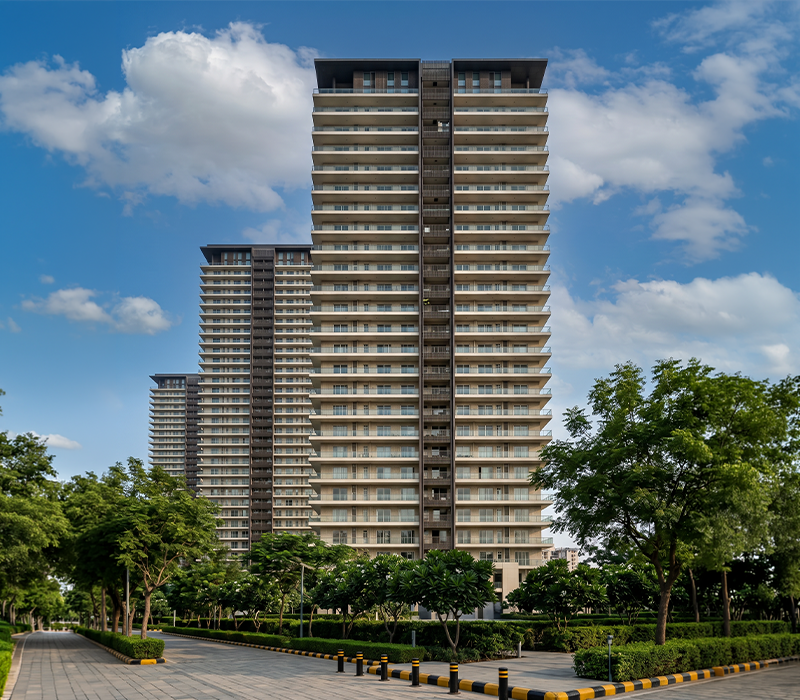
A city becomes compact when routes do more than move people. They support exchange, pause and discovery. At Wipro Campus in Hyderabad, four towers rise above a landscaped podium organised around multiple courtyards. The podium brings together a food court, library, gym, recreation and meeting spaces, connected by shaded streets. A vehicle-free ground plane prioritises walking and turns circulation into a shared social realm for 11,000 employees. At Infosys Campus in Nagpur, service and utility movement is separated from the workplace, while cores and parking are planned to reduce disruption. The low-rise, five-floor format keeps users close to landscape. Flexible development centres, breakout pods and recreational spaces create multiple destinations within a short walking network. Efficiency and experience reinforce one another.
Make Climate Part of the Urban Structure
The public life of an Indian campus depends on whether its outdoor spaces remain usable. Courtyards, streets and terraces must therefore be designed as climatic infrastructure. At Wipro, north-south orientation, staggered towers, shaded courts and water features support airflow, self-shading and evaporative cooling. The courtyards act as social rooms whose comfort is produced through massing, landscape and material rather than enclosure alone.
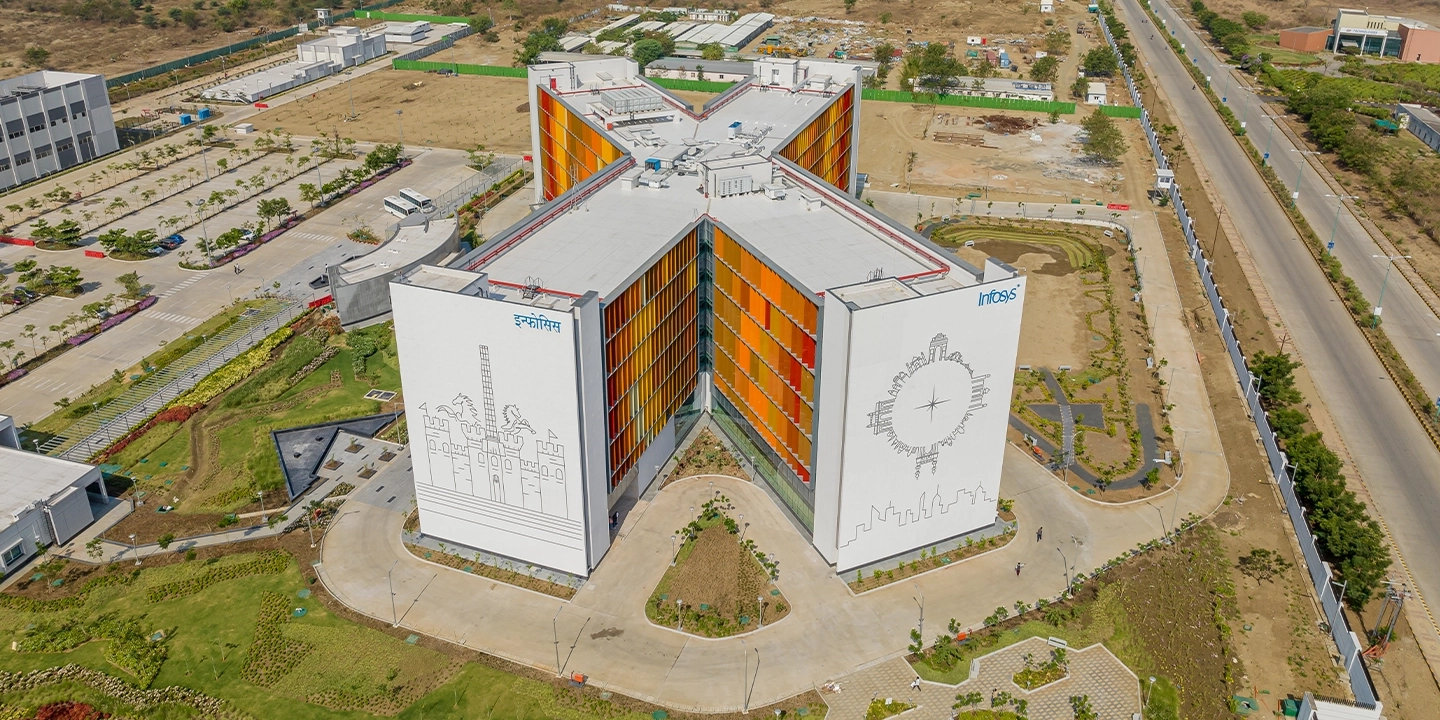
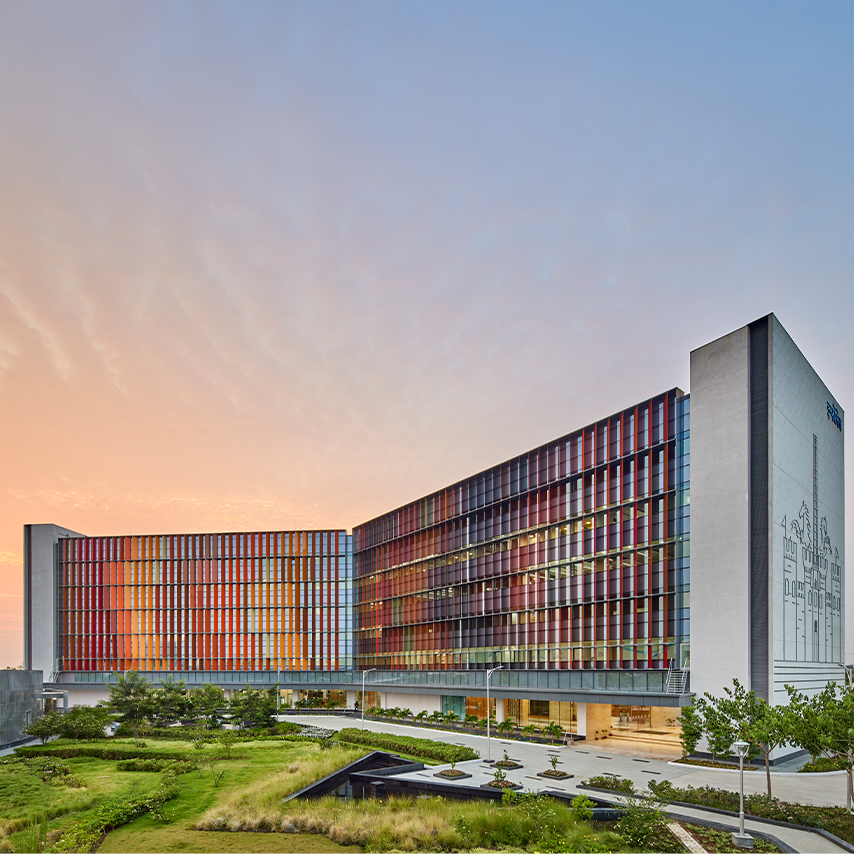
Infosys responds to Nagpur through an X-shaped building rotated 22.5 degrees in relation to the Tropic of Cancer. Its 18-metre floor plates allow 90 percent of workspaces to receive daylight, while external fins limit glare and solar gain. At Dakshana, more than 90 percent of the campus is designed for natural daylight and ventilation. Across all three, environmental performance shapes the plan from the outset.
Build Identity Through Shared Institutions
Cities are remembered through collective spaces and cultural markers. Campuses need comparable anchors. Dakshana’s pavilion, lake, outdoor study areas and legacy wall connect learning with belonging. At Infosys, 30-metre end walls become urban canvases carrying references to Nagpur and the organisation’s culture. Wipro’s courtyards and podium amenities form a common ground across a large workforce.
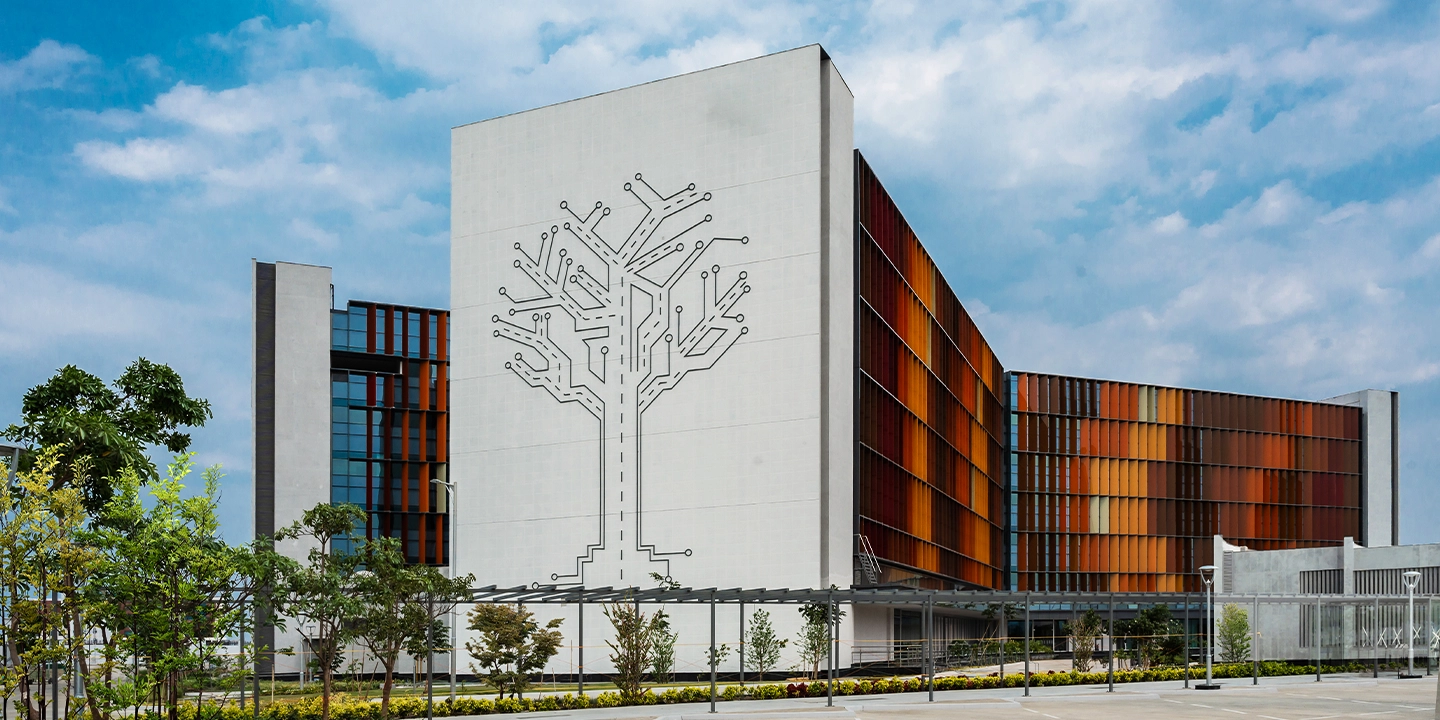
These elements give each campus a civic dimension. They create places where the institution can express its values while users develop their own rituals, memories and patterns of occupation. Architecture establishes the framework, while everyday use gives it meaning.
Campus Master Planning in India as City-Making
The strongest large-scale campus design combines density with openness, efficiency with encounter, and infrastructure with landscape. A clear spine reduces distance. Mixed programmes animate movement. Shaded public spaces extend usable hours. Ecological systems become visible parts of daily life. As institutions across India grow, their campuses can offer a model of responsible urbanisation. When planned as compact cities, they use land and resources more intelligently while creating healthier, more connected communities. The measure of success lies in how naturally people can move, gather, adapt and belong.