

Thought Leadership
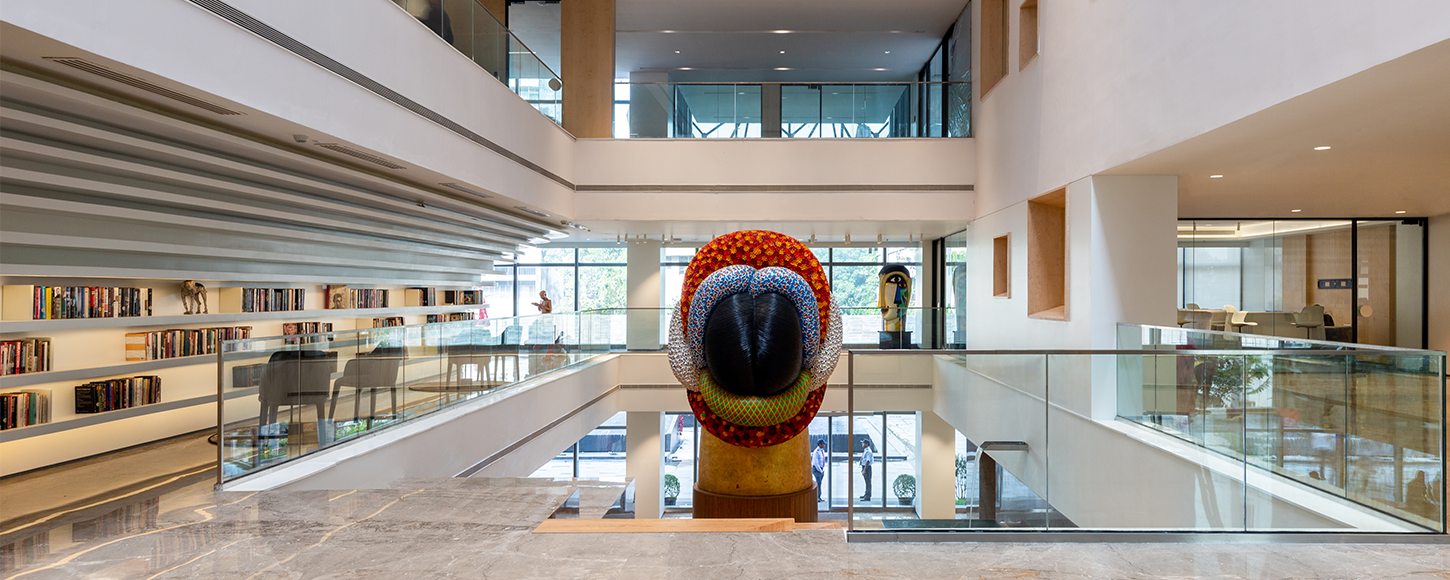
How Art Shapes Workplace Design at RPSG Headquarters
At RPSG Headquarters in Kolkata, Morphogenesis uses art to organise space, connect different levels and give the workplace a cultural identity rooted in its patron and its city.
Explore
Paper presented @PLEA 2016- Courtyards as Semi-Outdoor Learning Spaces
“Well planned play, both indoor and outdoor is a key way in which children learn with enjoyment and challenge.”Sustainability

PLEA 2017 Edinburgh: The Practice of Architecture in the Tropics
Architecture in some of the densest cities in India (and the world) demands highly conscious spatial consumption with office design standards reaching efficiencies as low as 50sq.ft./person.Sustainability
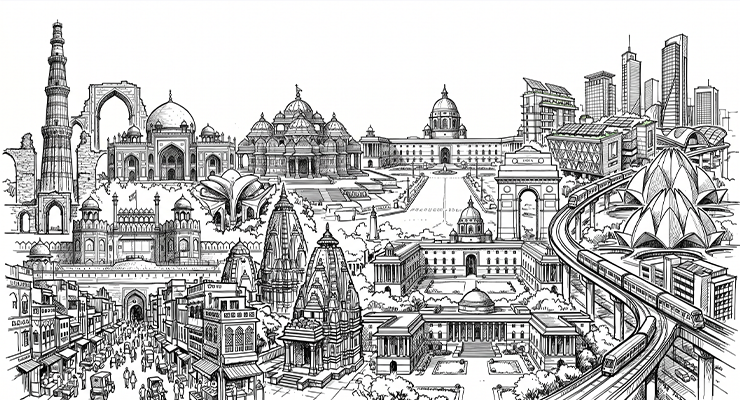
Delhi Architecture: Weaving the Past with Present
Place influences architecture and in return, architecture influences how we remember a specific “place.”Sustainability
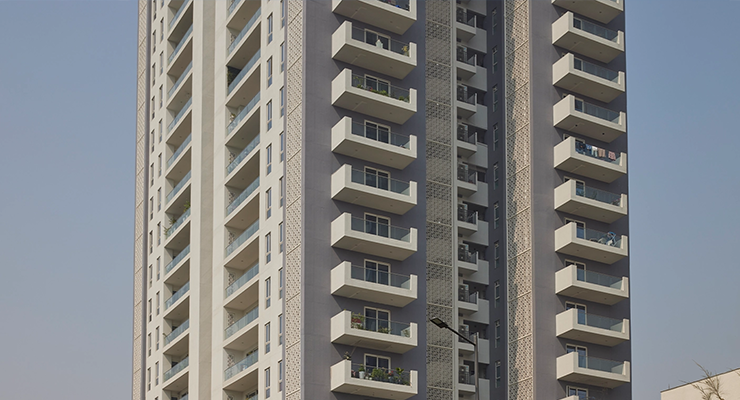
Making House a “Home”
The idea of what makes a “house” a “home” is at the center of the discourse on residential architecture.Sustainability
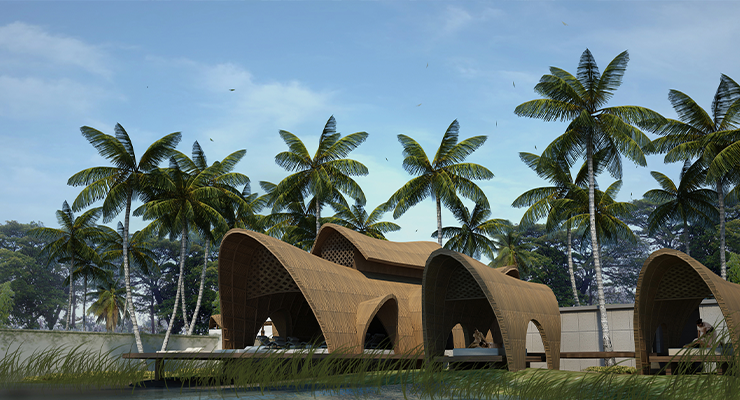
Socio-Cultural Manifestation in Built Form- Kerala
Sustainability has been the core concept in most well-conceived, upcoming projects in India. In the modern context, the methods to achieve it are validated by computer simulations to optimize the atmosphere in buildings.Sustainability
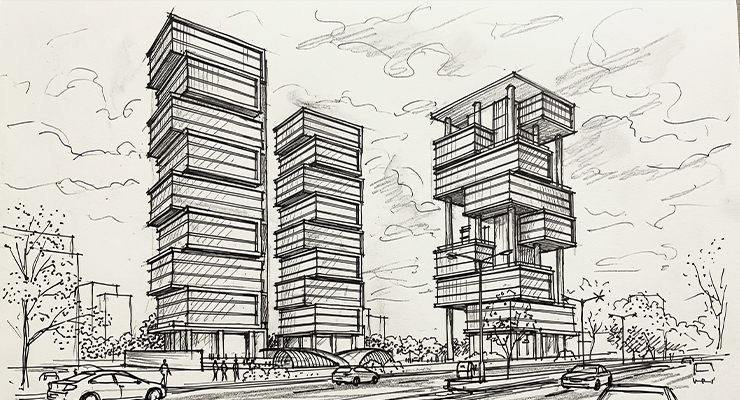
Vertical Architecture
With the rapid increase of urban density in our cities and land being a major constraint there is a need to look out for solutions that allow our cities to expand and not implode.Sustainability
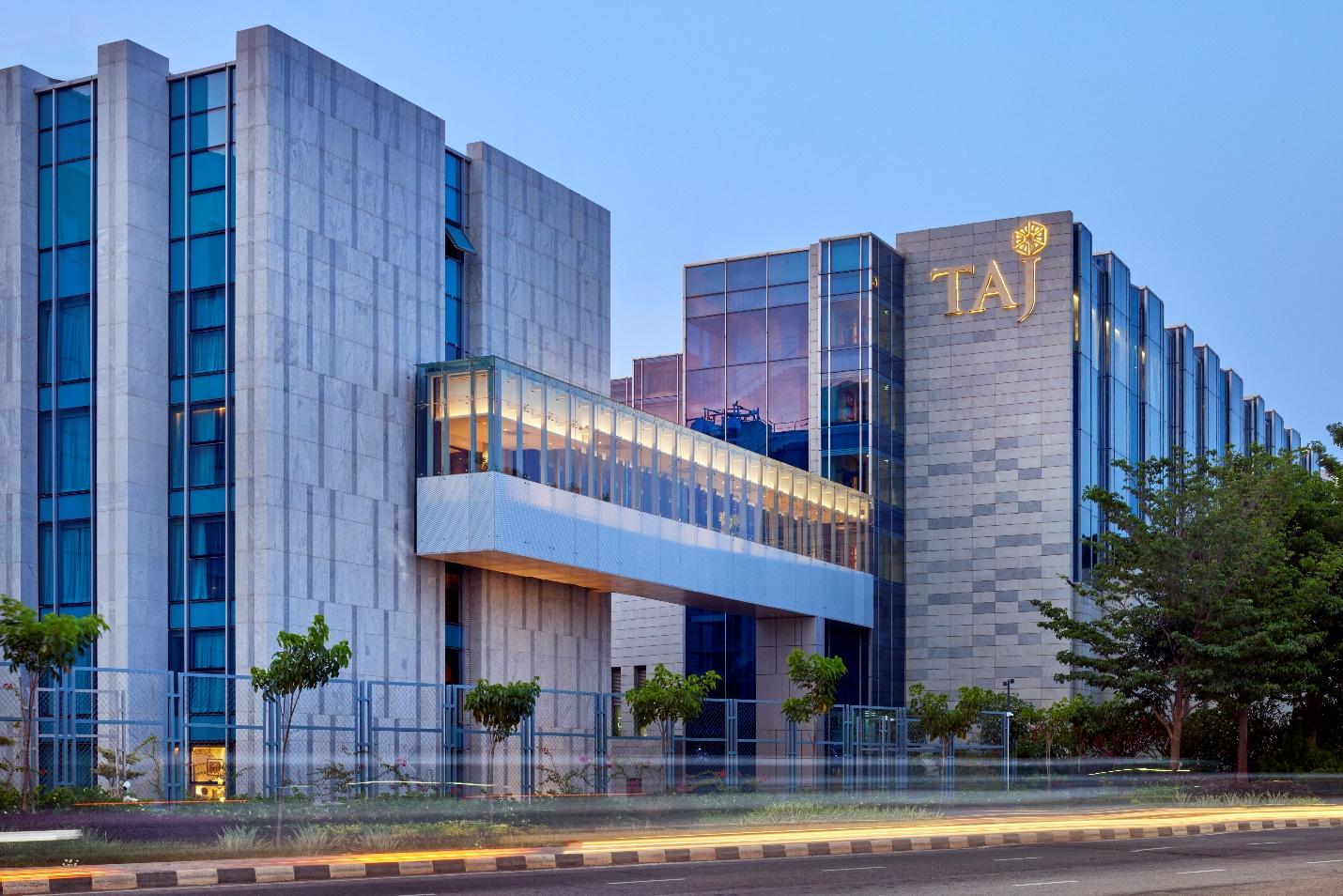
Redefining Luxury Through Sustainability
Sustainability and luxury have long been viewed as incompatible ideals—one representing restraint, the other abundance. But today’s discerning consumers and forward-thinking architects are proving otherwise. This article explores how sustainability is not a compromise in luxury, but rather an evolution of it—redefining what it means to build and live beautifully and responsibly.Sustainability

College and institutional building design: Key things to incorporate in educational buildings
Over the past few decades, we have witnessed a transformative change in the approach to education. Evolved and improved education systems, world over, are making learning a more interactive and dynamic process. In tune with these changes, institutional architecture has also transformed, to provide the right motif for the needs and aspiration of twenty-first-century students.Architecture
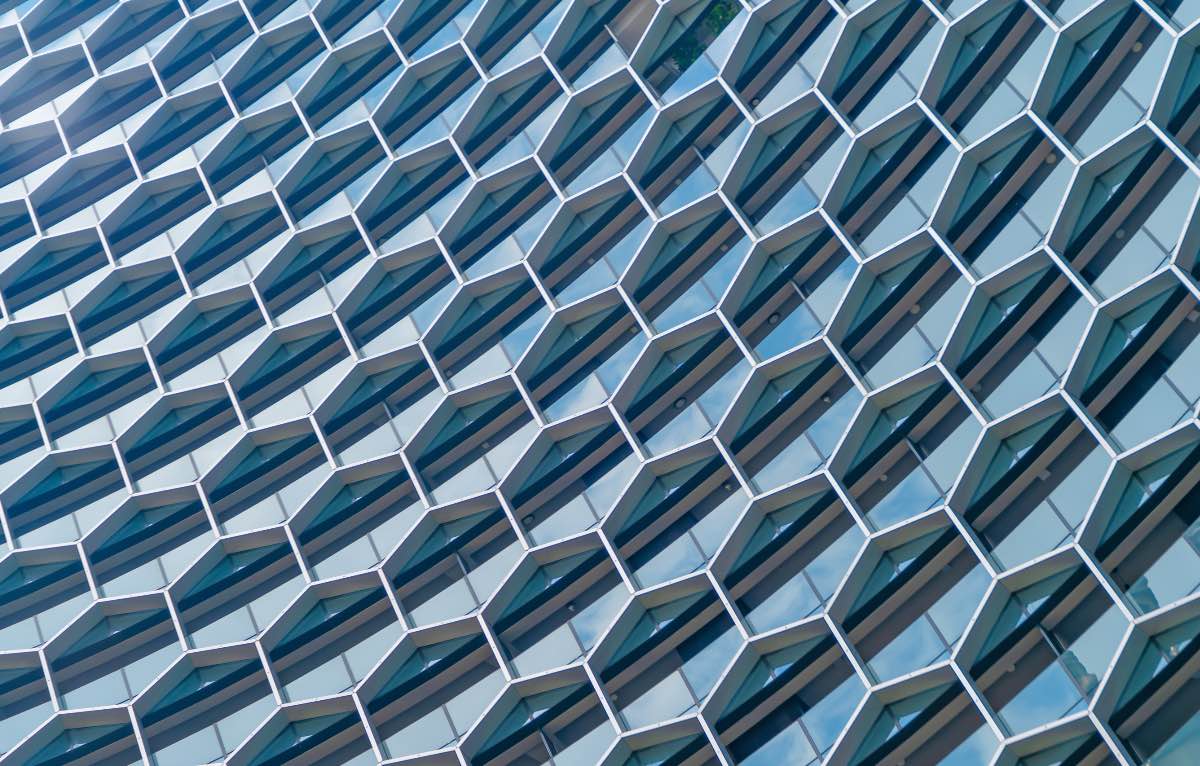
Biomimicry in Architecture: Understanding Its Origins, Applications, and Impact
Biomimicry in architecture bridges the intelligence of natural design with human ingenuity. Summary What is biomimicry in architecture? It is the practice of learning from nature’s strategies to design buildings that are efficient, adaptive and sustainable. Inspired by termite mounds, honeycombs and lotus leaves, biomimicry architecture helps create structures that save energy, conserve water and respond to their environment, aligning the built world more closely with the natural one.Architecture
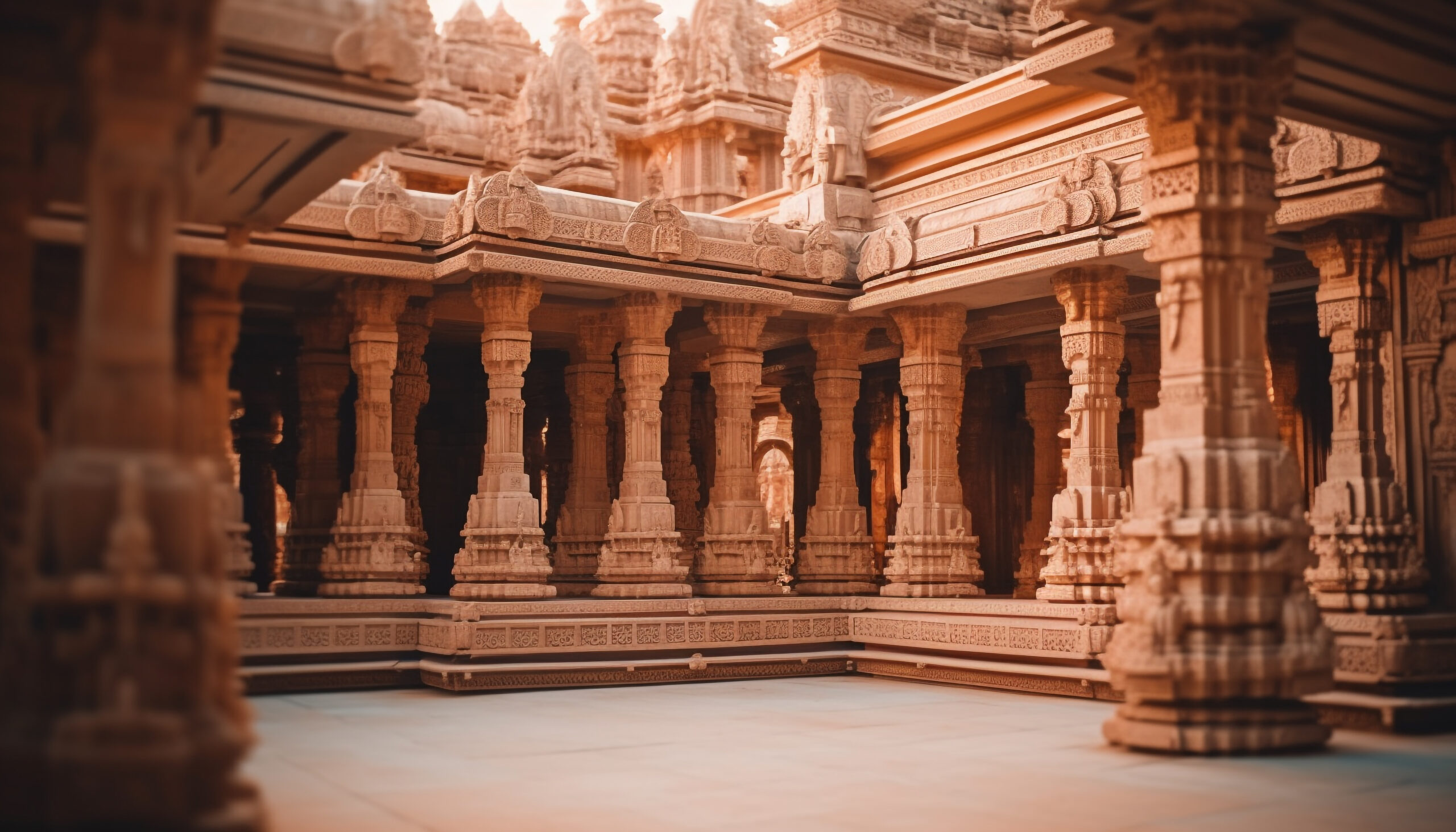
The Quintessential Elements of Vastu Shastra: An Exploration of the Pancha Bhootas
Explore the role of the Pancha Bhootas in Vastu Shastra, from understanding the five elements to balancing them within daily life. This guide highlights their significance, practical tips for harmony at home, and the lasting benefits of elemental alignment. Summary What are the Pancha Bhutas? They are the five elements of Vastu: Earth (Prithvi), Water (Jal), Fire (Agni), Air (Vayu) and Space (Akasha). Each element is linked to a specific direction, colour, and function within a building. When the Pancha Bhutas are balanced, they guide energy flow and create homes that support health, prosperity, mental clarity and lasting harmony.Architecture
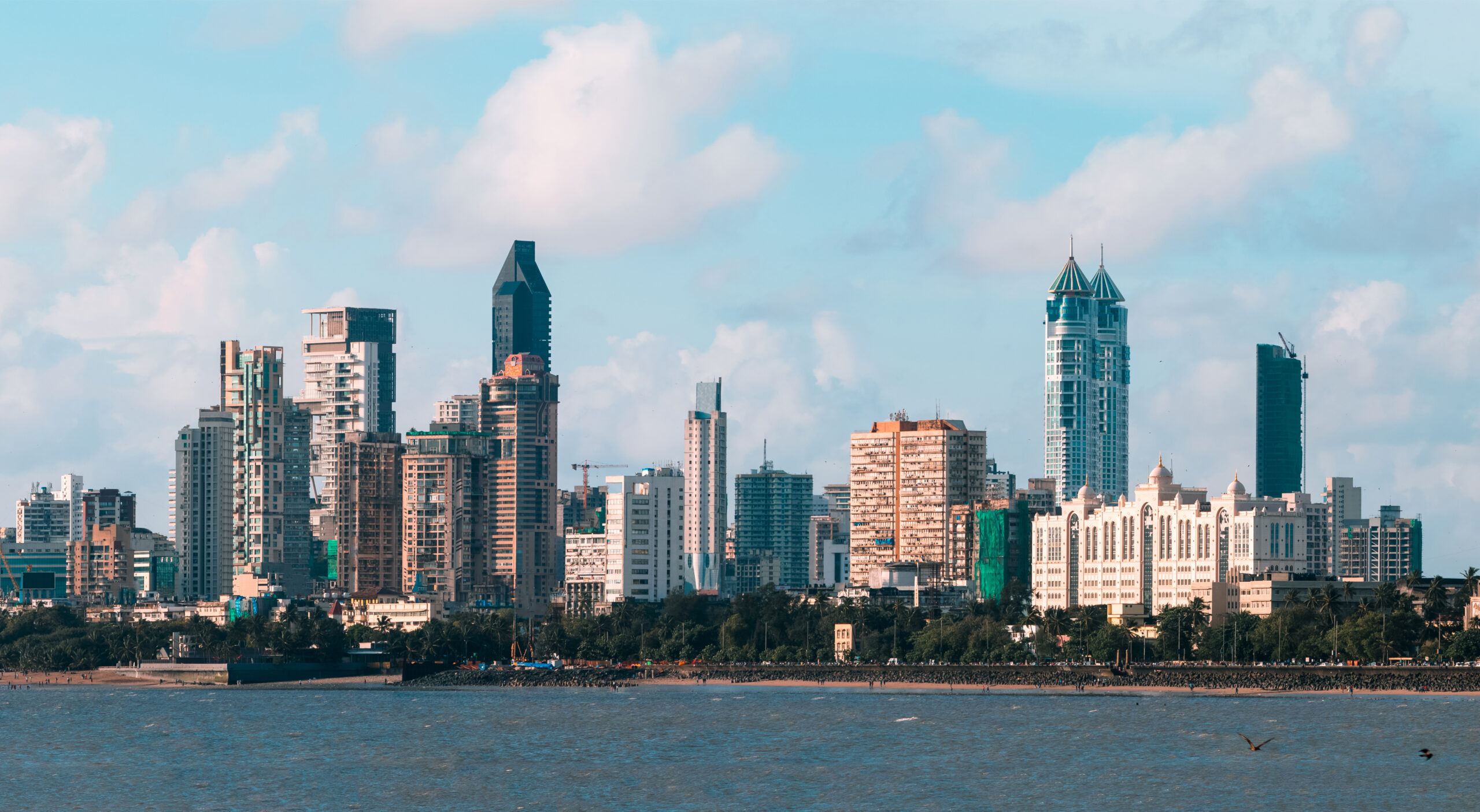
India’s Concrete Surge: Transforming Buildings into Cities
Why intent-driven design -not just speed – is the only viable path through India’s unprecedented urban expansion. India is undergoing the fastest urban build-out in human history. By 2040, an estimated 70% of the infrastructure that Indians will inhabit does not yet exist – a staggering projection from McKinsey. This isn’t just a statistic – it’s an ethical and professional challenge. If our response is to simply build faster, we risk reproducing the same urban failures at greater scale. But if we use this moment to design with foresight, the opportunity is nothing less than a reinvention of the Indian city.Architecture
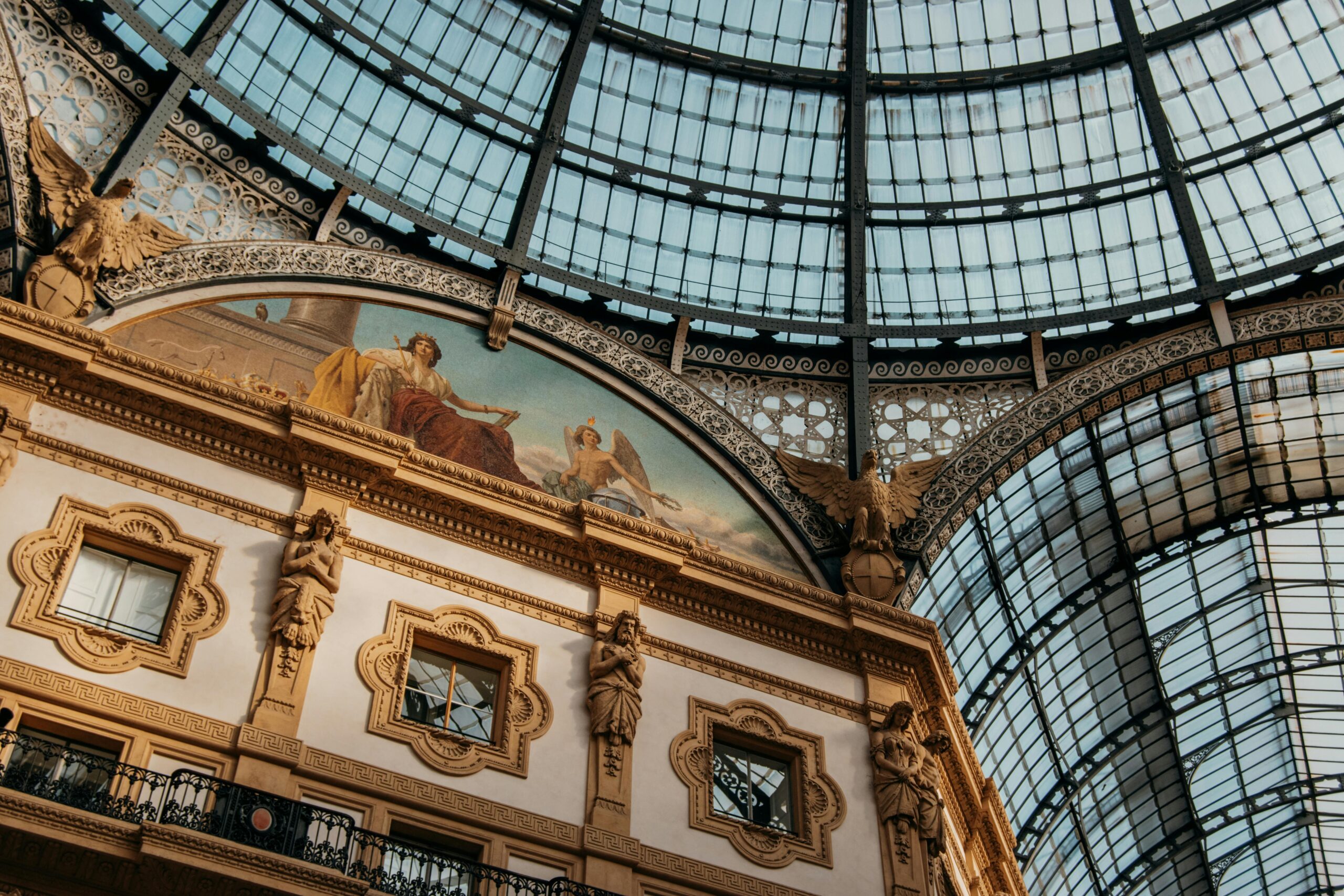
The Connection Between Art and Architecture
How two distinct disciplines coalesce to shape space, culture, and human experience Summary Art and architecture have always shared a close bond. Art expresses emotion, identity and culture, while architecture adds structure, function and purpose. From India’s Ajanta caves and Khajuraho temples to modern sustainable buildings, the fusion of art and architecture creates spaces that do more than shelter people. They tell stories, reflect values and shape human experience.Architecture
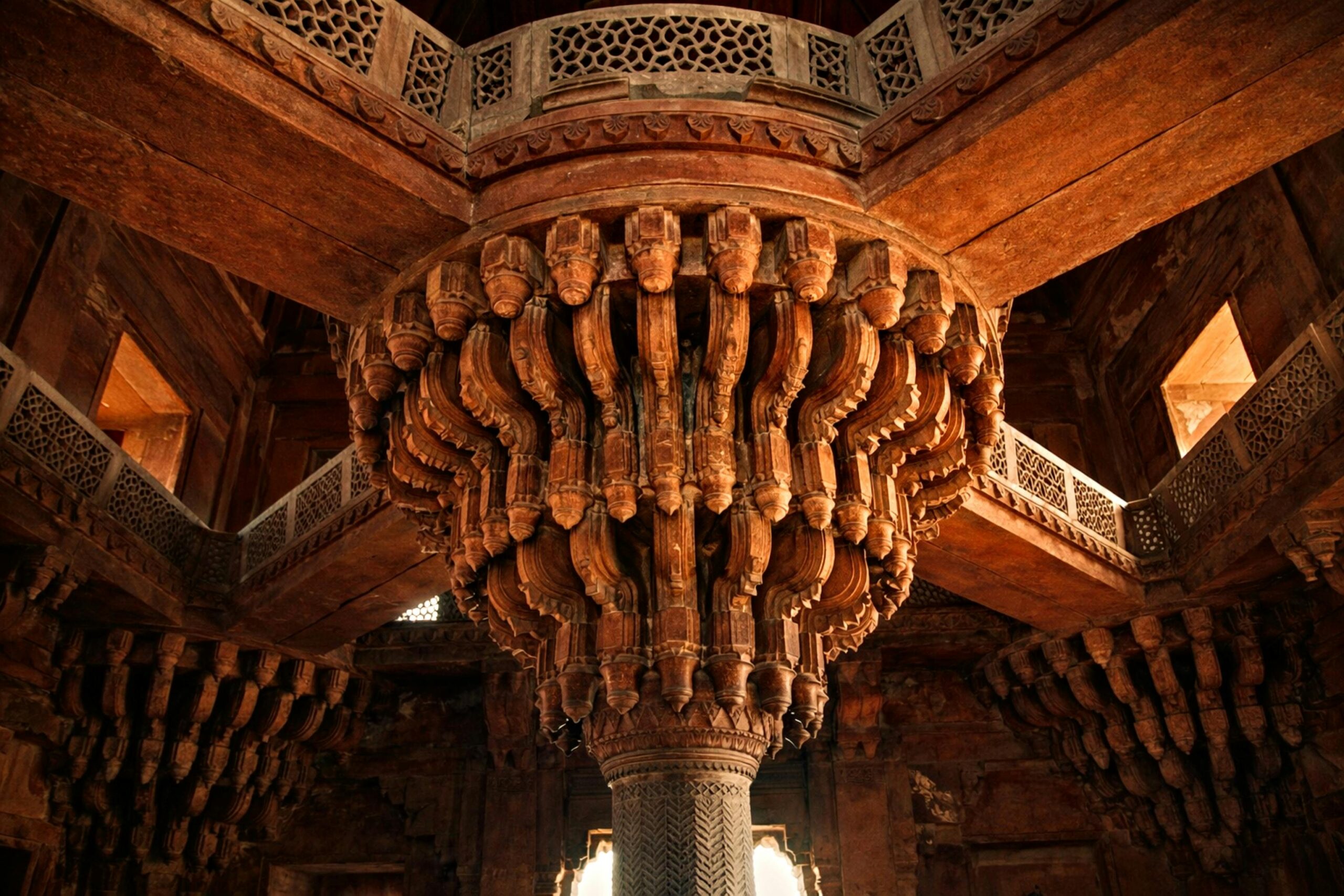
The History and Evolution of Architecture in India
From ancient temples to sustainable smart cities, we trace the rich architectural journey of India — revealing how tradition, technology, and cultural exchange have shaped the country’s built environment across centuries. Summary The history of Indian architecture spans more than 5,000 years, from the planned cities of the Indus Valley to today’s sustainable smart cities. Shaped by religion, climate, dynasties and cultural exchange, Indian architecture brings together temples, Mughal monuments, colonial landmarks and modern design, creating one of the world’s most diverse and enduring architectural legacies.Architecture
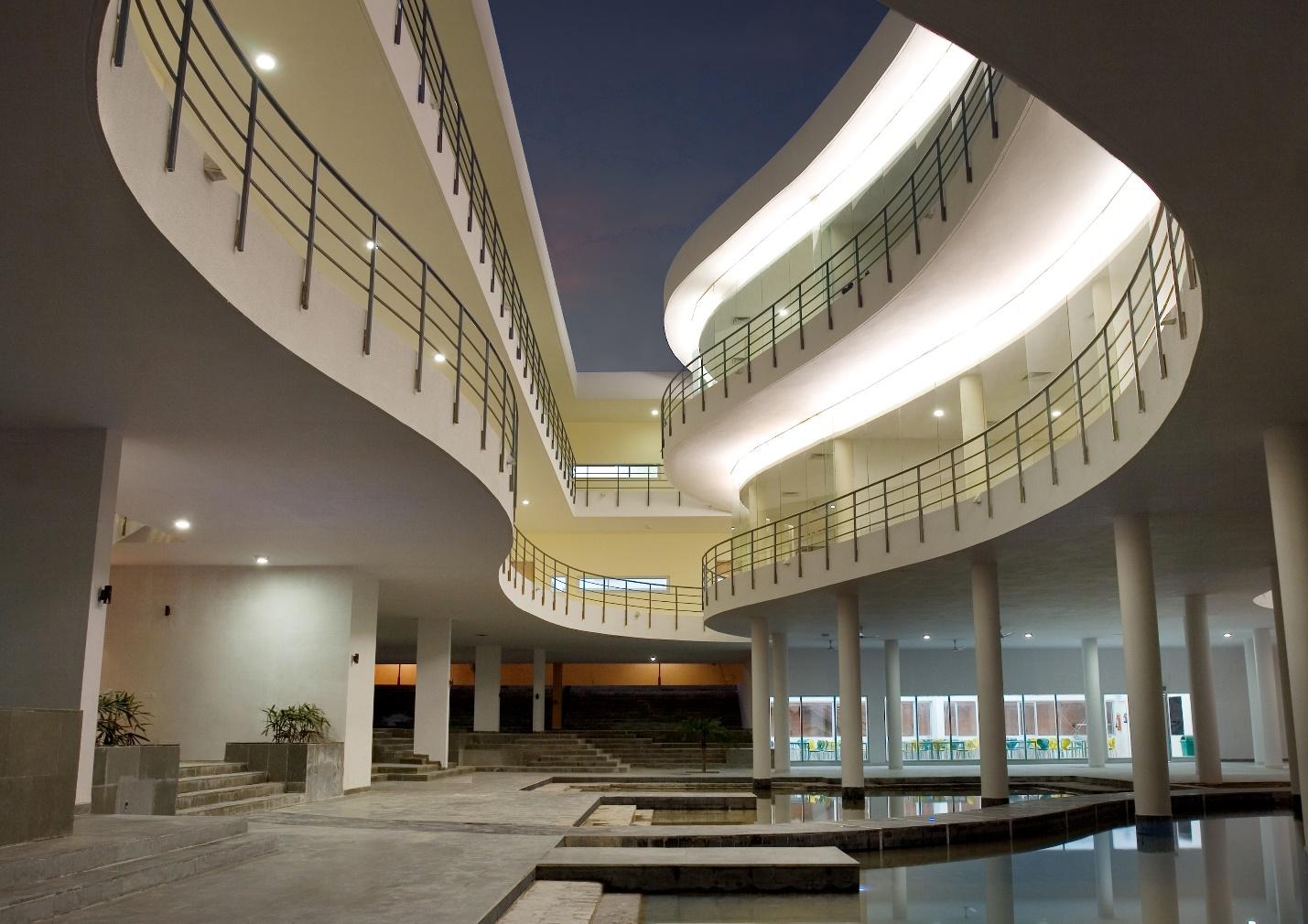
Designing for Clean Air: How Passive Architecture Mitigates India’s Air Pollution Crisis
Air pollution has emerged as a formidable threat to public health and urban sustainability in India. The Air Quality Life Index (AQLI), developed by the University of Chicago’s Energy Policy Institute, quantifies this impact starkly—Indians lose an average of 5.3 years of life expectancy due to persistent exposure to polluted air. In the National Capital Region of Delhi, where pollution levels routinely exceed safe limits, this figure approaches 12 years. These are not abstract numbers; they reflect a tangible deterioration in the quality and longevity of life, directly attributable to the air we breathe. This crisis is not confined to metropolitan regions. Rural India, too, is encumbered by air quality degradation resulting from a confluence of biomass combustion, vehicular exhaust, industrial emissions, and atmospheric dust. While regulatory frameworks and technological interventions are crucial, the built environment—which directly shapes air movement, energy consumption, and thermal dynamics—remains a critically underutilized tool in this battle.Architecture
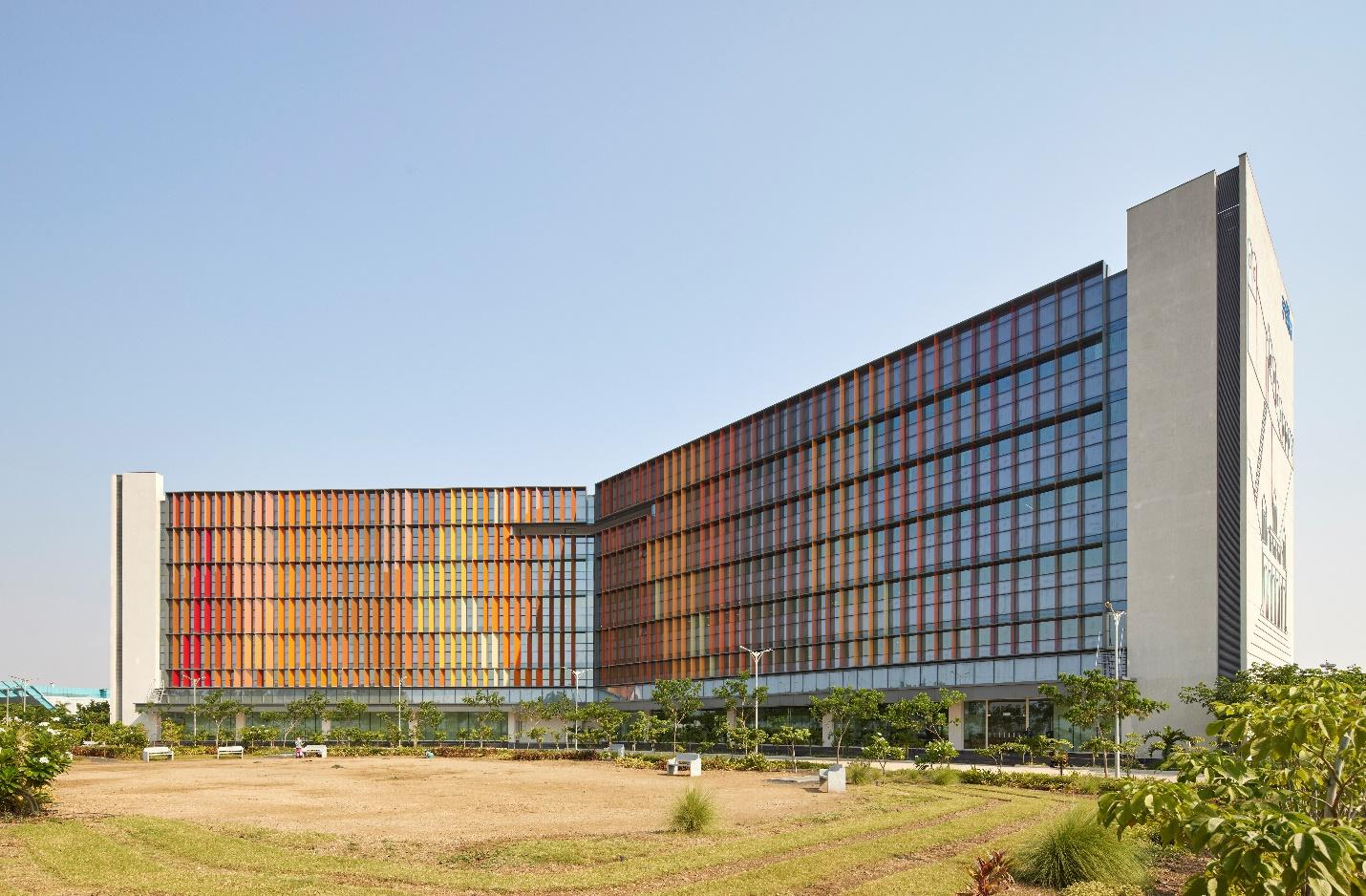
Beyond Buildings: Architecture as a Catalyst for Sustainability
Explore the different ways in which architecture can go beyond just reducing environmental harm to actively driving sustainability across economic, environmental, and social fronts. Discover real-world case studies from Morphogenesis that align with key UN Sustainable Development Goals (SDGs), covering net-zero workplaces, adaptive reuse, and context-driven educational campuses.Sustainability